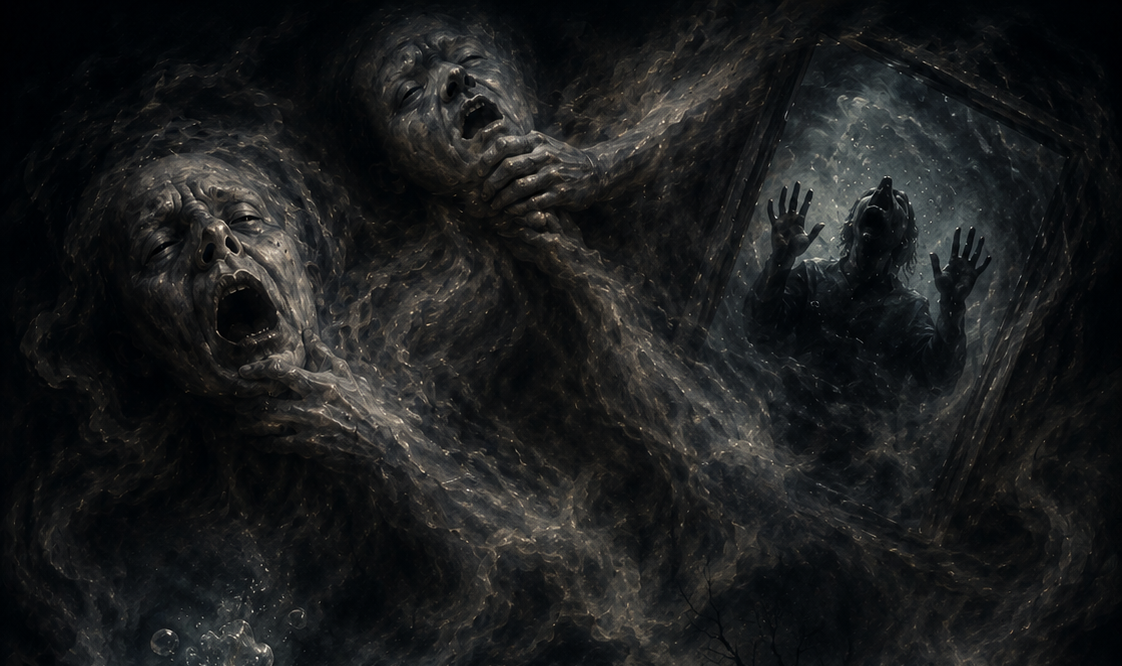

The Fear of Asphyxiation Within Dreams and Its Deeper Meaning
Dreams involving suffocation, choking, inability to breathe, drowning, smothering, or the overwhelming fear of asphyxiation are among the most disturbing experiences a dreamer can encounter. Unlike many other dream symbols, dreams centered around breathing often produce genuine panic, fear, and emotional distress that can linger long after waking.
Many people report dreaming that they cannot breathe, that something is restricting their airway, that they are trapped beneath water, buried beneath objects, held down by an unseen force, or struggling desperately for air. These dreams frequently end with a sudden awakening accompanied by rapid breathing, increased heart rate, and a lingering sense of dread.
Throughout history, dream interpreters, psychologists, and spiritual scholars have attempted to explain the deeper significance of these experiences. While interpretations differ across traditions, most agree that dreams involving asphyxiation reflect feelings of restriction, helplessness, emotional burden, or overwhelming pressure within the dreamer’s waking life.
Why Breathing Is Such a Powerful Dream Symbol
Breathing is one of the most fundamental functions of life. It operates automatically, often without conscious thought, yet it is essential to survival. Because breathing is so closely connected to life itself, dreams involving the inability to breathe often carry powerful emotional significance.
When breathing becomes restricted within a dream, the subconscious frequently uses the experience as a symbolic representation of something that feels overwhelming, limiting, or beyond the dreamer’s control.
Common asphyxiation dream scenarios include:
- Being unable to breathe
- Choking on an object
- Being trapped underwater
- Being buried alive
- Being smothered by another person
- Suffocating in smoke or darkness
- Feeling an invisible force pressing on the chest
- Being trapped in a confined space
While the imagery may vary, the underlying emotional experience is often remarkably similar: panic, helplessness, vulnerability, and loss of control.
Sigmund Freud’s Interpretation
Sigmund Freud viewed dreams as expressions of unconscious fears, anxieties, desires, and unresolved conflicts. Freud believed that frightening dreams often emerged when hidden emotional tensions demanded expression.
From a Freudian perspective, dreams of suffocation may symbolize psychological repression. The inability to breathe could represent feelings, thoughts, or emotions that have been suppressed for too long.
Freud may have interpreted asphyxiation dreams as reflecting:
- Emotional restriction
- Internal conflict
- Anxiety
- Repressed fears
- Feelings of helplessness
The dream becomes a symbolic representation of emotional pressure building within the unconscious mind.
Because breathing is associated with freedom and survival, losing the ability to breathe may symbolize situations in which the dreamer feels psychologically trapped or unable to express themselves fully.
Carl Jung’s Interpretation
Carl Jung approached dream interpretation through symbolism and the collective unconscious. Jung believed that dreams reveal messages from deeper layers of the psyche that seek balance, healing, and self-awareness.
Jung may have viewed asphyxiation dreams as symbolic encounters with aspects of the self that have been neglected or ignored. The inability to breathe could represent spiritual stagnation, emotional blockage, or psychological imbalance.
In Jungian psychology, breath often symbolizes life force, vitality, and connection to the deeper self. When breath becomes restricted in a dream, it may indicate that the dreamer’s emotional or spiritual life is being constrained by external pressures or internal conflicts.
Jung might suggest that the dream is encouraging the individual to confront sources of stress, fear, or imbalance before they become overwhelming.
Ibn Sirin’s Interpretation
Islamic dream scholar Ibn Sirin frequently associated breathing and bodily conditions within dreams with spiritual, emotional, and practical circumstances.
Within traditional interpretations attributed to Ibn Sirin, dreams involving choking, suffocation, or restricted breathing may symbolize:
- Heavy burdens
- Emotional hardship
- Anxiety
- Spiritual struggle
- Oppression
- Difficult responsibilities
The inability to breathe may represent a person carrying more than they can comfortably manage. Such dreams may serve as warnings that excessive worry, responsibility, or stress is negatively affecting the dreamer’s well-being.
In some interpretations, relief from suffocation within the dream may symbolize eventual resolution, guidance, or release from hardship.
Artemidorus of Daldis
The ancient Greek dream interpreter Artemidorus viewed dreams as reflections of both personal circumstances and future developments.
Artemidorus often connected physical suffering within dreams to real-world difficulties. Dreams involving suffocation could symbolize obstacles, restrictions, social pressure, or circumstances that leave the dreamer feeling trapped.
From his perspective, breathing difficulties within dreams may reflect situations where personal freedom, ambition, or progress feels blocked by external conditions.
The dream serves as a symbolic warning that something in the dreamer’s life requires attention before it becomes more damaging.
Ann Faraday’s Interpretation
Modern dream analyst Ann Faraday placed great emphasis on emotional context. She believed that understanding how the dream felt was often more important than identifying fixed symbolic meanings.
Faraday would likely encourage dreamers to ask:
- What emotions did I feel while struggling to breathe?
- What situations currently make me feel trapped?
- What pressures am I carrying?
- What responsibilities feel overwhelming?
According to Faraday, dreams involving asphyxiation frequently emerge during periods of extreme stress, emotional overload, burnout, or personal crisis.
The dream may not predict future events. Instead, it reflects the emotional reality already being experienced by the dreamer.
Physical Factors and Asphyxiation Dreams
While many suffocation dreams are symbolic, physical conditions may sometimes contribute to their occurrence.
Sleep researchers have observed connections between breathing-related dreams and conditions such as:
- Sleep apnea
- Respiratory illness
- Nasal obstruction
- Allergies
- Sleeping position
- Acid reflux
When breathing becomes physically restricted during sleep, the brain may incorporate those sensations into dream imagery.
However, even when physical factors are present, the dream may still acquire symbolic meaning through the emotional narrative created by the subconscious mind.
The Joseph Dream Catcherz Interpretation
At Joseph Dream Catcherz, dreams involving asphyxiation, suffocation, choking, or the inability to breathe are interpreted primarily as manifestations of overwhelming stress and anxiety within the dreamer’s daily life.
Within this interpretation, the dream reflects situations where the individual feels emotionally overloaded by responsibilities, obligations, expectations, or ongoing challenges.
The inability to breathe symbolizes the feeling of being overwhelmed by circumstances that seem larger than one’s ability to manage.
Common sources may include:
- Work-related pressure
- Financial concerns
- Family responsibilities
- Relationship conflict
- Health worries
- Emotional exhaustion
- Major life transitions
According to Joseph Dream Catcherz, the dreamer often feels powerless to control the stress factors contributing to their emotional burden. The subconscious transforms this feeling into a vivid physical experience where breathing becomes difficult or impossible.
In many cases, the dream does not suggest literal danger. Rather, it serves as a warning that emotional stress has reached a level requiring attention.
The dream is essentially communicating:
“You are carrying more than you can comfortably handle.”
The struggle for breath becomes a symbolic representation of the struggle for emotional balance.
Common Variations of Asphyxiation Dreams
Being Choked by Another Person
May symbolize conflict, manipulation, control, or emotional pressure coming from another individual.
Drowning
Often reflects emotional overwhelm and difficulty coping with powerful feelings.
Being Buried Alive
May indicate feelings of hopelessness, confinement, or being trapped beneath responsibilities.
Smoke or Toxic Air
Can symbolize stressful environments, unhealthy relationships, or situations that are emotionally draining.
Invisible Force Restricting Breathing
Often represents anxiety whose source is unclear or difficult to identify.
Conclusion
Dreams involving asphyxiation are among the most emotionally intense experiences produced by the subconscious mind. Whether interpreted through the psychological theories of Freud and Jung, the traditional perspectives of Ibn Sirin and Artemidorus, or the emotional framework of Ann Faraday, these dreams consistently point toward feelings of restriction, pressure, vulnerability, and emotional burden.
At Joseph Dream Catcherz, the fear of asphyxiation within dreams reflects overwhelming stress and anxiety arising from daily life. The dream symbolizes the dreamer’s feeling that circumstances have become difficult to manage and that control over important stress factors is slipping away.
Though frightening, these dreams may serve an important purpose. They encourage self-reflection, stress management, emotional awareness, and recognition of burdens that may otherwise remain hidden beneath conscious thought.
When the subconscious takes away breath within a dream, it may be attempting to draw attention to areas of life where the dreamer desperately needs room to breathe once again.
Peace and Blessings
Bibliography
- Ann Faraday, The Dream Game
- Artemidorus of Daldis, Oneirocritica
- Carl G. Jung, Man and His Symbols
- Carl G. Jung, The Archetypes and the Collective Unconscious
- Ibn Sirin, Dream Interpretations
- Sigmund Freud, The Interpretation of Dreams
- Calvin Hall, The Meaning of Dreams
- Deirdre Barrett, The Committee of Sleep