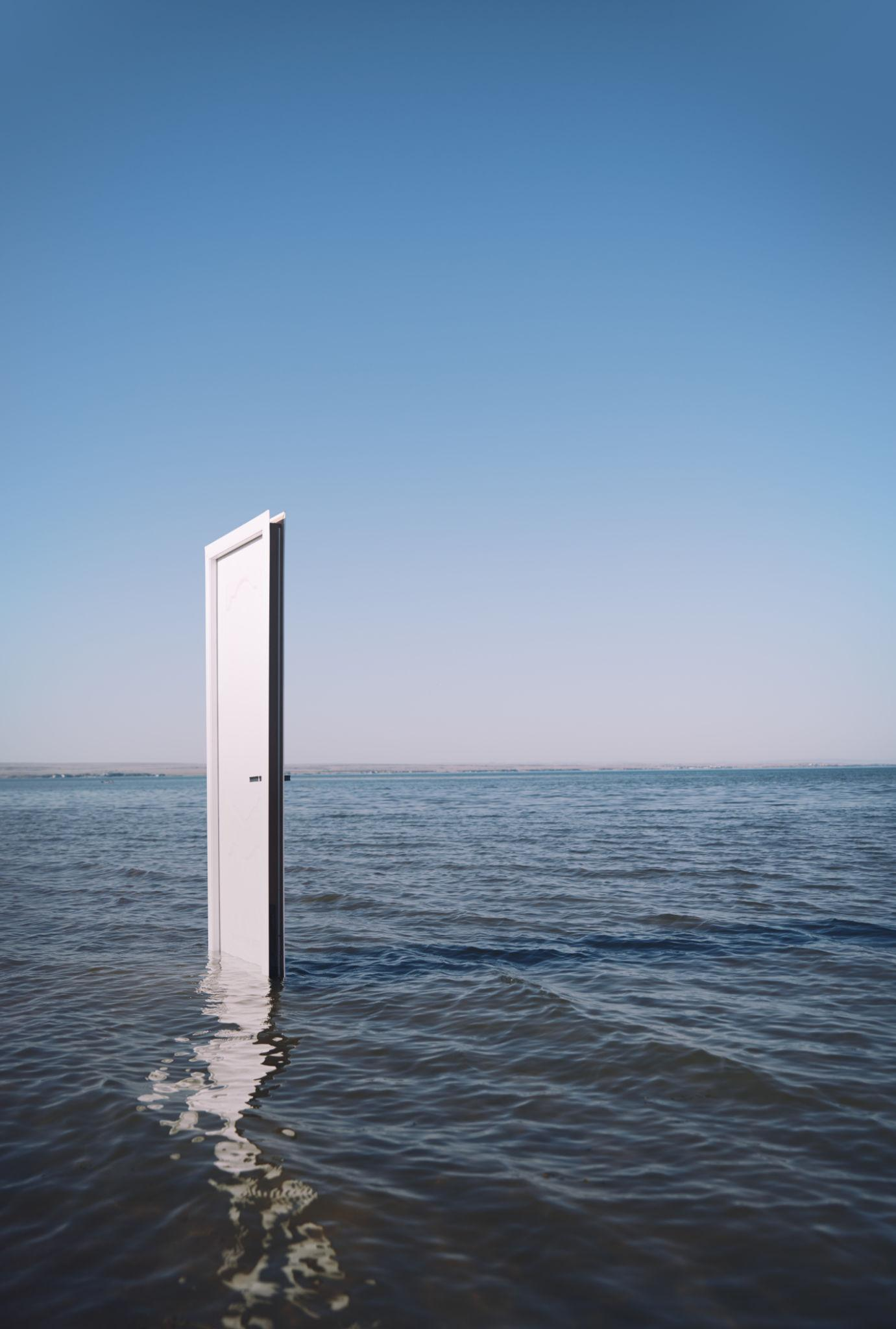

Dreams about oceans are among the most emotionally powerful and spiritually significant experiences within the dream world. Oceans often appear vast, mysterious, calm, violent, beautiful, or frightening — reflecting the deep emotional and symbolic nature of the subconscious mind itself.
Throughout history, dream interpreters, psychologists, and spiritual thinkers have associated oceans with hidden emotions, transformation, spiritual transition, mystery, and the unknown. Depending on the details of the dream, the ocean may symbolize peace and clarity, emotional turmoil, spiritual awakening, or major life change.
At Joseph Dream, oceans within dreams are interpreted not only as psychological symbols, but as literal spiritual gateways between the living and the dead.
Carl Jung and the Ocean as the Collective Unconscious
Swiss psychologist Carl Jung believed that water represented the unconscious mind — the hidden realm beneath conscious awareness where memories, fears, instincts, and archetypes exist.
Jung often associated oceans with:
- the collective unconscious
- spiritual depth
- hidden emotions
- transformation
- the unknown self
A calm ocean may symbolize emotional harmony and spiritual balance, while violent or dark waters may represent unresolved emotional conflict or fear hidden deep within the subconscious.
Sigmund Freud’s Interpretation of Ocean Dreams
Sigmund Freud viewed dreams as expressions of suppressed emotions, unconscious desires, fears, and unresolved psychological experiences.
Freud commonly interpreted water imagery as symbolic of:
- emotional states
- birth and rebirth
- memory
- hidden desires
- fear of the unknown
Dreams involving oceans may reflect emotional overwhelm, subconscious longing, or deeply buried feelings surfacing through symbolic imagery.
Ancient Interpretations of Oceans in Dreams
The ancient Greek dream interpreter Artemidorus viewed the sea as a symbol of uncertainty, destiny, danger, and the unpredictable journey of life. Rough waters often represented hardship, while calm seas symbolized safe passage and emotional stability.
Islamic dream scholar Ibn Sirin associated oceans and vast waters with spiritual power, hidden knowledge, authority, mystery, and emotional intensity. The condition of the ocean often reflected the spiritual or emotional condition of the dreamer.
Modern dream analyst Ann Faraday emphasized that dream interpretation should focus heavily on the dreamer’s emotional experience. Feelings of fear, grief, peace, awe, or loneliness experienced during an ocean dream may reveal the deeper meaning behind the vision itself.
The Joseph Dream Interpretation: Oceans as a Literal Gateway Between Worlds
At Joseph Dream, oceans in dreams are perceived as literal spiritual gateways between the realm of the living and the realm of the dead.
Within this interpretation, oceans represent transitional boundaries where communication, encounters, and meetings between worlds may occur during the dream state. Shores, deep waters, fog-covered coastlines, and endless seas are viewed as spiritual thresholds connecting physical existence with the afterlife and unseen dimensions.
Dreams involving oceans may represent:
- direct spiritual encounters
- communication with deceased individuals
- meetings between the living and the dead
- spiritual passage between worlds
- the crossing of souls
- awareness of death or transition
Within Joseph Dream belief, seeing a living person standing within the ocean, disappearing beneath the water, drifting into the sea, or being consumed by waves may symbolize the perceived upcoming passing over of that individual or a major spiritual transition connected to them.
These dreams are interpreted as spiritual visions perceived through the subconscious mind rather than simple symbolic metaphors. The ocean is therefore understood not merely as emotional symbolism, but as an actual boundary separating dimensions of existence.
At Joseph Dream, oceans are believed to serve as places where:
- spirits may appear
- unresolved connections remain active
- emotional and spiritual energy converge
- communication between worlds becomes possible during dreams and visions
Common Ocean Dream Scenarios
Calm Ocean
A calm ocean may symbolize:
- spiritual peace
- emotional clarity
- acceptance
- harmony between worlds
Stormy Ocean
Violent waters may represent:
- spiritual conflict
- emotional chaos
- grief
- fear of transition or loss
Crossing the Ocean
Crossing the sea may symbolize:
- spiritual transformation
- movement between states of existence
- personal rebirth
- transition of the soul
Standing at the Shore
The shoreline may represent:
- existing between two worlds
- anticipation of spiritual change
- observation of transition
- connection between life and death
Seeing Someone Within the Ocean
Dreaming of another person within the ocean may symbolize:
- a spiritual connection
- concern for that person
- emotional attachment
- perceived approaching transition or passing
Final Thoughts
Ocean dreams have fascinated humanity throughout history because they often carry overwhelming emotional and spiritual intensity. From the psychological theories of Carl Jung and Sigmund Freud to the ancient writings of Artemidorus and Ibn Sirin, oceans have consistently symbolized mystery, transformation, emotion, and the unknown.
At Joseph Dream, oceans are interpreted more literally — as spiritual gateways existing between the living and the dead where encounters, communication, and transitions may occur through dreams and visions.
Whether calm or violent, bright or dark, oceans within dreams may reflect far more than emotion alone. They may represent the subconscious perception of spiritual movement, unseen realities, and the profound mysteries that exist beyond ordinary human awareness.
Peace and Blessings

3 responses to “What Dreaming of Oceans Means: Symbolism, Spirituality, and the Subconscious Mind”
https://shorturl.fm/BYq9Y
https://shorturl.fm/2XjP4
https://shorturl.fm/sGkwJ